PSA (Prostate-Specific Antigen) Blood Test

Medical Review & Verification: Dr. Niti Navanimitkul, M.D.
Board-Certified Urological Surgeon | Advanced Prostate Diagnostics Specialist | M-Trust Urology Clinic • UroLift Treatment for BPH (100+ cases, 99.99% success rate) • Water Vapor Therapy (Rezūm) - Center of Excellence • Prostate Cancer Screening & Treatment
Last Reviewed: July 2026The most effective and convenient primary screening method for prostate cancer, measuring protein levels in the blood.
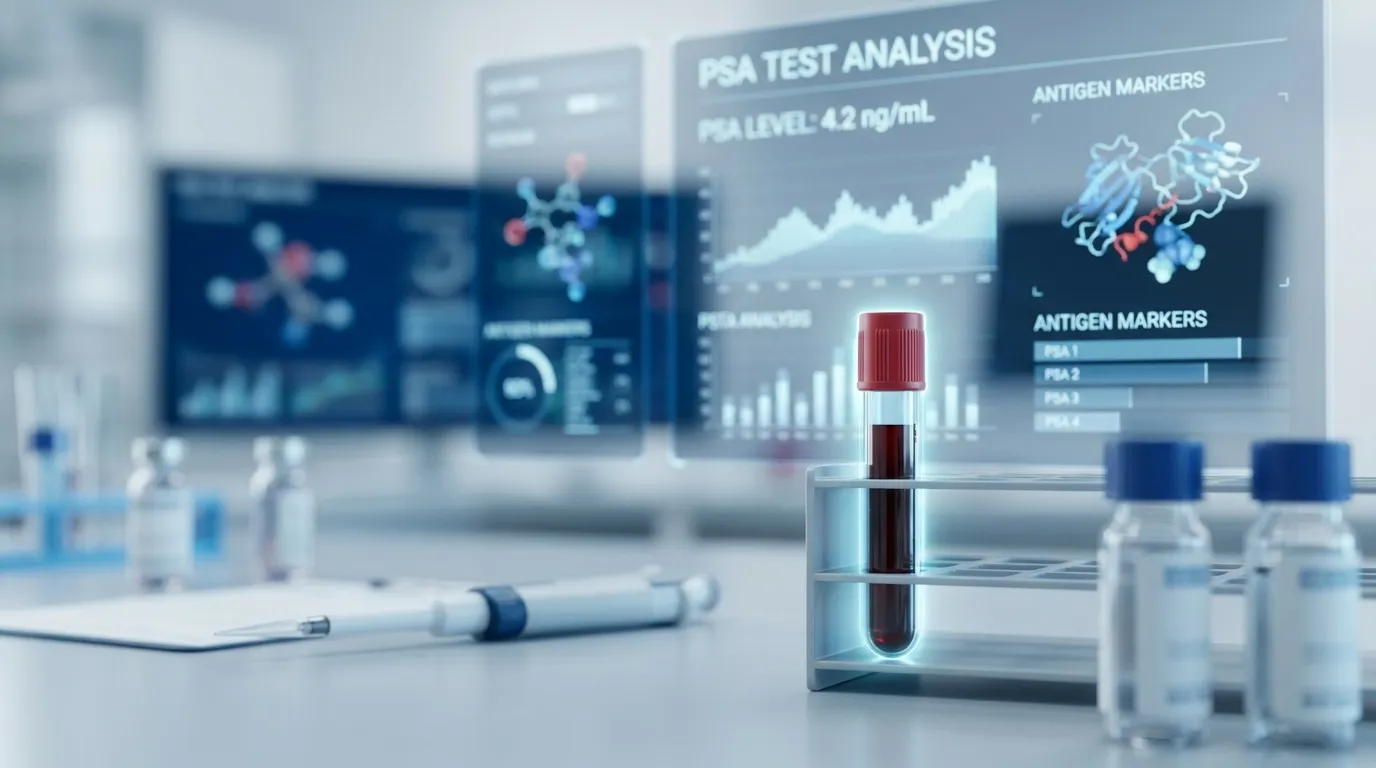
What is a PSA Test?
PSA (Prostate-Specific Antigen) is a protein produced by cells of the prostate gland. It is normal to have a small amount of PSA in your blood. However, an elevated PSA level can indicate various prostate conditions, including Benign Prostatic Hyperplasia (BPH), prostate infection (prostatitis), or prostate cancer. Measuring PSA is vital for early cancer detection when treatment is most effective.
Preparation Before a PSA Test
Avoid ejaculation or sexual intercourse for at least 48 hours prior to the test, as it can temporarily spike PSA levels.
Avoid bicycling, motorcycle riding, or heavy physical exercise affecting the groin area for 48 hours before testing.
Inform your doctor if you had a Digital Rectal Exam (DRE) or urinary catheterization within the past 1-2 weeks.
Understanding PSA Test Results
Normal Range: Less than 4.0 ng/mL
Borderline (Gray Zone): 4.0 - 10.0 ng/mL (associated with a 25% chance of prostate cancer, or BPH/inflammation)
High Risk Range: Greater than 10.0 ng/mL (requires advanced diagnostics such as Prostate MRI or biopsy)
Related Topics
Clinical References & Sources
- American Urological Association (AUA) Guidelines on Prostate Cancer Early Detection.
- European Association of Urology (EAU) Guidelines on Prostate Cancer Screening.
- National Comprehensive Cancer Network (NCCN) Guidelines for Prostate Cancer Early Detection.